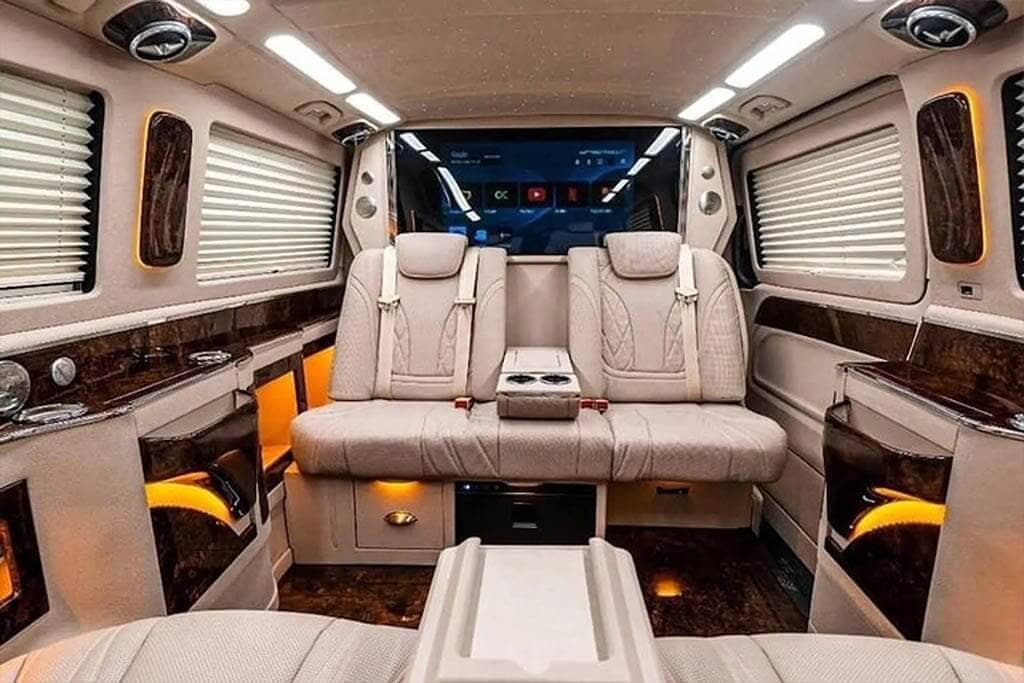
Experience the pinnacle of luxury with Romos Travel's bespoke private services in Turkey. Immerse yourself in iconic cultural landmarks while indulging in personalized attention, exclusive access, and stays at the finest hotels and resorts for an unforgettable, tailored journey.
Your private experience
Your airport transfer in Turkey. A smooth start to your stay.
Experience the pinnacle of luxury with Romos Travel's bespoke private services in Turkey. Immerse yourself in iconic cultural landmarks while indulging in personalized attention, exclusive access, and stays at the finest hotels and resorts for an unforgettable, tailored journey.
We Romos Travel Agency provide luxurious VIP chauffeured airport transfer service with our luxurious vehicles for those who desire prestigious and privileged service at the airport.
We have a private representative greeting service to guide you to the vehicle at the airport. You will feel the privileged service of Romos Travel with professional drivers and extraordinary vehicles.
Please only inform us about your arrival details, which airport you are landing at, and the number of passengers to organize the luxurious vehicle for your comfortable airport transfer.
Luxury Airport Transfer Service in Turkey: The Best Way to Travel in Style
When you're traveling to a new city, the last thing you want to worry about is how you're going to get to your destination from the airport. That's where luxury airport transfer services come in. In Turkey, there are plenty of options to choose from, but if you're looking for the best, you'll want to book a private airport transfer.
Istanbul Private Airport Transfer: Arrive in Comfort and Style
Istanbul is a city that is rich in history and culture, so it's no surprise that it's a popular destination for travelers from around the world. If you're looking to make the most of your time in Istanbul, you'll want to start your trip off on the right foot by booking a private airport transfer. With a private transfer, you'll be able to sit back and relax in a luxurious vehicle as you make your way to your hotel.
Private Airport Transfer in Turkey: The Ultimate in Convenience and Comfort
While public transportation is a convenient option for some travelers, it can be crowded, confusing, and time-consuming. If you're looking for a more comfortable and convenient way to get from the airport to your destination, you'll want to book a private airport transfer. With a private transfer, you'll be picked up right at the airport and taken directly to your destination, without any stops along the way.
Private Airport Transfer in Cappadocia: Experience the Magic of This Enchanting Region
Cappadocia is a region in Turkey that is known for its stunning landscapes, unique rock formations, and ancient cave dwellings. If you're planning a trip to Cappadocia, you'll want to make sure that you arrive in style by booking a private airport transfer. With a private transfer, you'll be able to sit back and relax as you make your way through the picturesque landscape, taking in all the sights and sounds of this enchanting region.
Why Choose a Private Airport Transfer?
There are many reasons to choose a private airport transfer over other transportation options. First and foremost, a private transfer is the most comfortable and convenient way to get from the airport to your destination. You'll be able to sit back and relax in a luxurious vehicle without having to worry about navigating public transportation or hailing a taxi.
In addition to comfort and convenience, a private transfer also offers a level of privacy and security that you won't find with other transportation options. You'll be the only passenger in the vehicle, which means that you won't have to share your space with strangers. Plus, Romos Travel offers 24/7 customer support and tracks your flight, so they will be there to greet you even if your flight is delayed.
If you're planning a trip to Turkey and want to arrive in style, booking a luxury private airport transfer is the way to go. Whether you're traveling to Istanbul, Cappadocia, or any other destination in Turkey, a private transfer will ensure that you arrive at your destination feeling relaxed and refreshed. So sit back, relax, and let someone else do the driving while you take in all the beauty and excitement that Turkey has to offer.
With Romos Travel, a licensed and registered local tour operator in Turkey, you can enjoy a seamless travel experience with no middlemen, no hidden charges, and guaranteed reservations. Established in 2009, we operate offices in Istanbul, Cappadocia, Ephesus, Antalya, and Pamukkale to provide exceptional service and ensure your journey is unforgettable.
Prices are updated for 2026
Choose your experience
Considered in every detail.
Original service options · Final arrangements are confirmed with your personal quotation.
Extraordinary places, private experiences and moments to make your own. Take a closer look before we help you plan your journey.
LUXURY TOUR TURKEY · OUR FILM
Before you travel
Your questions, considered.
15 questions · Thoughtful answers. Select a question to explore the details.
01How do I tell IST and SAW apart when reserving a transfer?+
Send your flight number and airport code from the ticket. The two airports are on different sides of Istanbul.
02Will my driver track an arriving flight?+
Ask whether tracking and delay coverage are included. Update the team if the airline changes your flight number.
03Where do I meet the airport representative?+
Use the terminal directions and contact number provided with the confirmed booking.
04What should I do if baggage reclaim takes longer?+
Contact the transfer team once you know about the delay and check the included waiting time.
05Can you transfer us between Istanbul's two airports?+
Send both flights and terminal details. Ask whether the available connection time is realistic for a road transfer.
06How early should the car collect me for departure?+
Share your airline check-in requirements and airport. The pickup plan should allow for traffic and terminal procedures.
Private Airport Transfer Planning in Turkey
Private Airport Transfer Planning in Turkey
How to coordinate a private airport pickup with your flight
A private airport transfer in Turkey starts with the exact terminal, flight number and destination. For an arrival pickup, note the number of travellers and bags, and check the hotel entrance if the property is on a pedestrian street.
The best starting point for an airport transfer is the code on your confirmed flight, not the region named on the hotel listing. Airport choices in or near Istanbul, Cappadocia and the coastal regions affect pickup and arrival planning. Send the flight date as well as the number when your flight lands near midnight or just after midnight local time.
Read this experience as a series of choices about time, place and the people you are travelling with. Write down what made you open this page before you start comparing it with other options. If there are several people in the group, ask each person for one thing they would be disappointed to miss. That small exercise makes it easier to see which experiences are central to the trip and which would be pleasant if the timing works.
Then decide whether the experience should be the focus of a day or part of a longer plan. Compare from the first pickup to the last drop-off. Look at the time you can actually spend at the places that matter, allowing for the intervals in between. A long programme on paper can still leave very short visits if transfer time, a meeting point or a return deadline has been left out of the comparison.
Identify the boundary of the service before comparing it with a complete itinerary. If a different provider is handling your next activity, tell the team when responsibility passes from one arrangement to the other.
Confirm the airport and terminal
A city name does not identify the runway or terminal. Send the airport code and airline details, especially in Istanbul and in regions served by more than one airport.
Draw the approach as three steps: where you start, where you actually meet, and where the planned activity begins. These can be different even if the hotel or a transport hub is mentioned on the itinerary. Save the confirmed meeting address and a written description of the entrance. If the party is coming from different rooms, hotels or terminals, decide where everyone rejoins before anybody sets out on their own.
Separate the time you need to be present from the time a vehicle, guide or venue expects to start. That distinction is useful on arrival days and when the first planned stop has a fixed window. Carry the written confirmation somewhere you can open it offline. Check how to contact the organiser if the first arrangement changes after you have left, and agree who in the group will make that call.
Do a short rehearsal on the map without relying on the map’s estimated driving time alone. Think about the final approach, building entrances, stairs and luggage, then include the time needed to gather the group at the start. If one person is likely to need more time, plan to meet the party together at the point that works for them. A practical start makes the following itinerary easier to keep flexible.
Plan for luggage and group size
Describe oversized bags, mobility aids, sports equipment or children’s luggage. Ask which vehicle matches the actual combination of passengers and items.
Choose two things that deserve a close look and decide what an overview would be enough for. Let the first have room for questions, interruptions and a change of perspective. At the second, pay attention to a detail you might miss if you were moving quickly. That could be the relationship between two buildings, the way the waterfront meets a neighbourhood, or how a venue uses its space. The purpose of choosing is to give those details time.
Ask which parts need advance arrangements and which are easier to interpret or experience once you are there. For an interior, consider the time needed to get in, orient yourself and spend a few minutes without feeling rushed. Where the experience mainly happens outside, ask how the proposed position, light, season or weather could change your view. Those are better ways to compare proposals than counting the number of stops listed.
Give the team a practical example of your interest. An interest in history could mean the layout of an ancient city, the way a particular palace was used, or a wish to understand an active cultural tradition. A wish for comfort could mean a particular seat, a less hurried route or space for a conversation. Examples make a brief actionable and invite the organiser to suggest something specific to this experience.
Confirm the terminal meeting point and driver contact
Request a terminal meeting point you can locate without relying on a new data connection. Ask where the driver will wait after baggage claim and how to make contact if your group comes out separately.
Do not let passenger count stand in for luggage. A group travelling light between hotels can have a different requirement from the same group arriving with suitcases, a pram and extra equipment. Ask the planner to confirm how much space is available for the exact party and the items you described.
Describe access in terms of what someone is comfortable doing for a sustained period. Include stairs, uneven ground, boarding, standing and the distance between useful places to stop where applicable. People with the same broad requirement can have very different preferences. One traveller may be comfortable walking slowly but prefer to avoid steep steps; another may want a short standing period with a reliable place to sit afterwards.
Ask whether the plan can be adjusted without losing its main purpose. A shorter route can work well if it still includes the setting or explanation you wanted. If the group may split for one part, agree where to meet again and how long each part should take. Share which requirements are essential and which are preferences so the organiser can check them against the actual vehicle, venue or proposed route.
Consider comfort across the entire outing. A long interval without a chance to pause can matter more than the length of a single walk. Discuss shade, seating and a convenient break before confirming a busy stretch. If a person uses an aid or needs help getting in and out of a vehicle or venue, ask for the specific approach and space that will be available rather than relying on a general accessibility label.
Allow for timing changes
Explain whether the transfer is connected to another flight or to a fixed appointment. Ask how a rescheduled or delayed flight affects waiting time and the pickup arrangement.
Mark the parts of the plan that depend on an outside decision, such as the order of timed visits, operating conditions or a transport connection. Keep them separate from changes your own group could make. This shows whether an alternative would require changing a booking or simply making a different choice while you travel. It also makes it easier for the organiser to explain what they can confirm for your date.
Build in one realistic alternative and discuss when you would choose it. Identify what would cause you to switch, who has the final information and which other parts of the day would be affected. A nearby break, a shorter visit or a change of sequence may keep the day worthwhile. An alternative works best when it serves the same interest and does not add a new fixed deadline.
Use local time when comparing the sequence in a written itinerary. If a piece of the journey is uncertain, leave the commitments around it movable until the important details are confirmed. For a fixed onward booking, tell the organiser the time by which you personally want to be there. That is more useful than giving just the departure time, because it includes the margin your group is expecting.
If outside conditions affect operation, ask which decision belongs to the venue or operator and when you can expect to hear. Provide a practical contact method that will still work if you are travelling at the time of a change.
The final approach to your hotel
In a historic district or a pedestrian area, road access and the hotel entrance can be several minutes apart. Ask about luggage handling over the final stretch if that matters for your group.
Think about what you want from the time around the planned experience. You might want to be close to a particular neighbourhood after it finishes, travel directly to a hotel, or have time for a meal or a quiet pause. That preference can affect the route even when it is not an activity in its own right. Identify how each member of the group will use the time that is left free.
Where there is a choice of base or end point, compare the actual approach as well as how a place looks in a description. Consider the length of the next transfer, the final walk, and whether you can change your mind about a meal or short outing without rearranging a vehicle. Ask the team to mark the difference between time reserved in the itinerary and time you will arrange independently.
Leave one natural break in the right place rather than expecting several quick stops to make the plan feel restful. Timing a pause near a useful transition can improve the whole day. If you have a restaurant, room or evening arrangement in mind, state whether it is a firm commitment or a preference. That allows the organiser to take it into account without treating it as another confirmed inclusion.
Build the surrounding day from the confirmed start and finish details. A service can be useful on its own; it becomes easier to use when any separate vehicle, guide or venue understands where it fits.
Work out when an onward driver is useful
An airport-to-hotel transfer covers one leg of your journey. If you want a driver available while you visit several places later in the day, consider the chauffeured car service in Istanbul.
Where the route involves an early departure, confirm the hotel entrance and whether the driver will wait nearby or meet you at a named pickup point. If road access and the hotel’s reception are not in the same place, make sure every traveller understands the arrangement before leaving their room.
Compare the alternatives by asking what you would gain and what you would spend time on. For each option, write down one reason you would choose it, one element you would have to give up, and one thing you would want the team to verify. Do the comparison with your actual dates and group in mind. A longer or more elaborate arrangement is worthwhile only if the extra time solves a real priority for you.
Keep one flexible element in the plan that does not affect everyone’s bookings. If the group decides to linger, pause or reorder the day, that element can move without losing the central experience. Ask which parts can be changed after confirmation and which might have change terms. This matters particularly if you are coordinating a separate guide, vehicle, ticket or onward arrangement for the same day.
Confirm the transfer in writing
Send flight number, date, direction, party size, luggage and the exact hotel. Confirm pickup location, contact method, vehicle fit and any change or waiting terms.
Put the facts that determine the quotation at the start of your message. Give dates, group size, your starting location and the commitments that cannot move. Follow with what you want to prioritise, where you are flexible and the access or comfort requirements the organiser needs to consider. If your dates are uncertain, explain which range is possible. Keep the brief short enough that the team can see what matters without searching for it.
Read the reply as a proposed sequence and a list of responsibilities. Check where each arrangement begins and ends, who is providing it, what appears in the quoted price and what would be settled separately. Make sure changes to the programme or the experience are easy to distinguish from optional requests. Where cancellation or a change in conditions is possible, ask how the confirmed booking terms would apply to your particular arrangement.
Before committing, check the dates and names against the rest of your trip. Ask the organiser to confirm any assumptions you had to make while reading the programme, and keep the written reply with your travel details. Once the important parts are clear, mark which choices you would prefer to make during the experience. That final distinction is what lets the plan feel considered without taking away the freedom to use your time well.