Istanbul to Ephesus. History, privately discovered.
Embark on an unforgettable journey with our Luxury Istanbul and Ephesus Tour. Begin your adventure in the vibrant city of Istanbul, where historical wonders like the Blue Mosque, Hagia Sophia, and Topkapi Palace await. Then, explore the ancient city of Ephesus with a private guided tour, uncovering iconic landmarks such as the House of Virgin Mary and the Temple of Artemis. With exclusive itineraries, luxury accommodations, and private transportation, this tour promises an unparalleled experience of Turkey’s rich culture and history.
ISTANBUL → EPHESUS
01DAY
The journey begins
Day 1: ISTANBUL
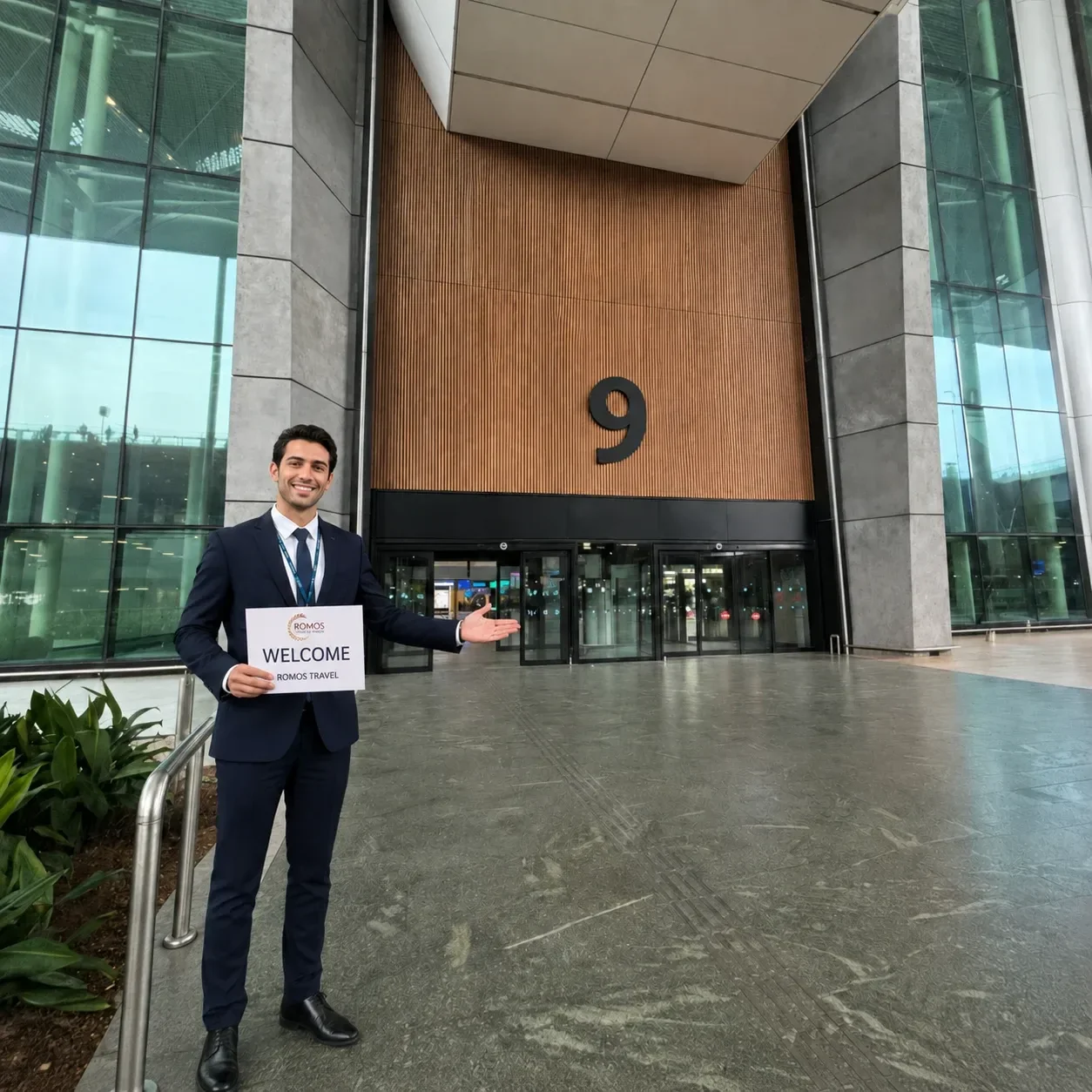
Welcome to Istanbul! Where the continents meet. Meet at Istanbul Airport: Once you arrive at Istanbul Airport or Sabiha Gokcen Airport, after the luggage claim, you will be greeted by a Romos Travel tour guide. And you will be informed about the tour schedule for the following days.
Transfer with a private vehicle to the hotel: You will be taken to your hotel, and after check-in, you will have time for leisure, and the rest of the day is yours. Overnight stay in Istanbul.
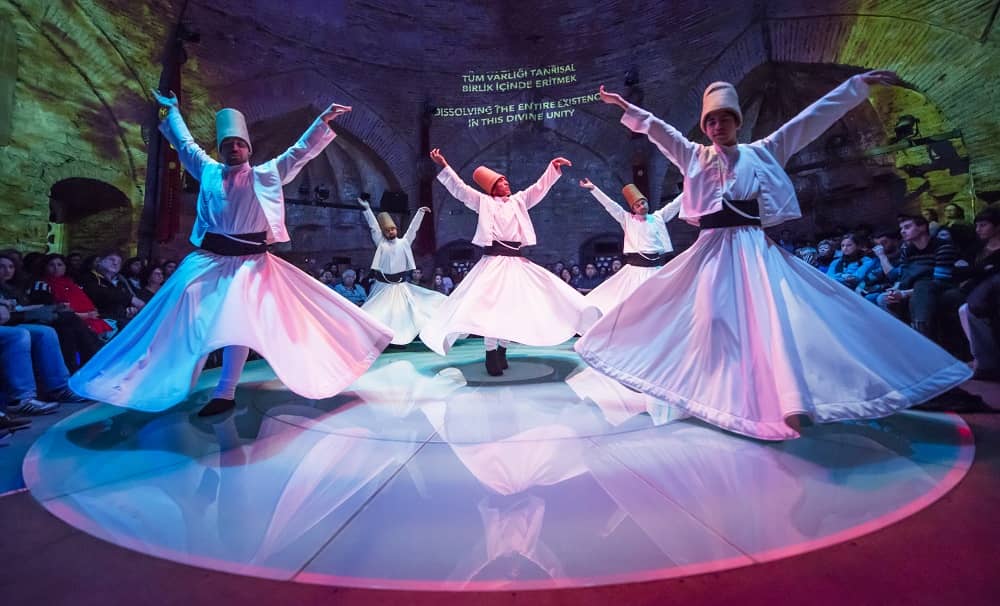
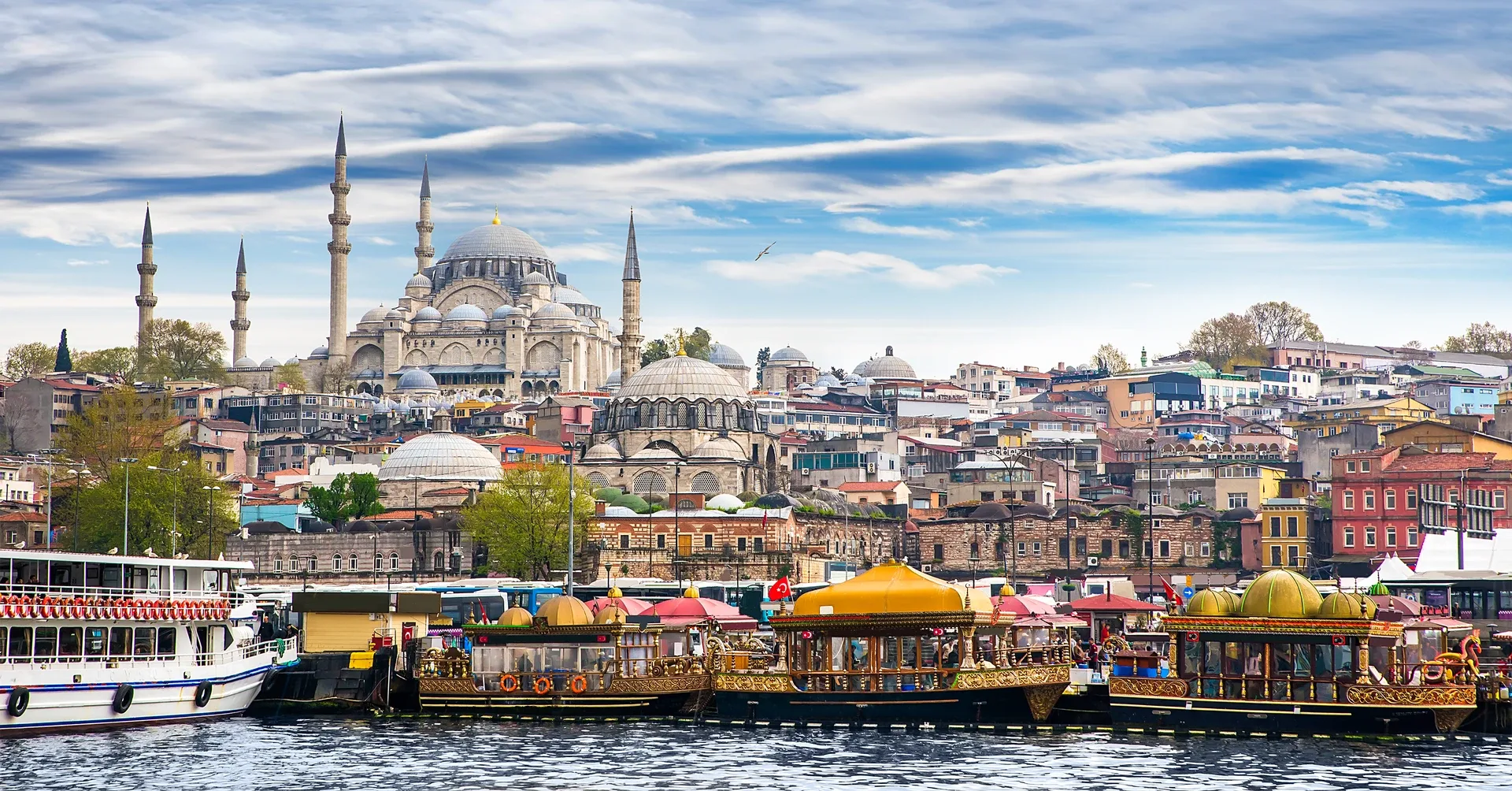
Private Istanbul Old City Tour with The Whirling Dervish Show Pick up from the hotel by your guide to start the Private Old City Tour. Your private, professional tour guide will be introducing the ancient sights of Istanbul.
Today you will explore the following highlights of Istanbul.
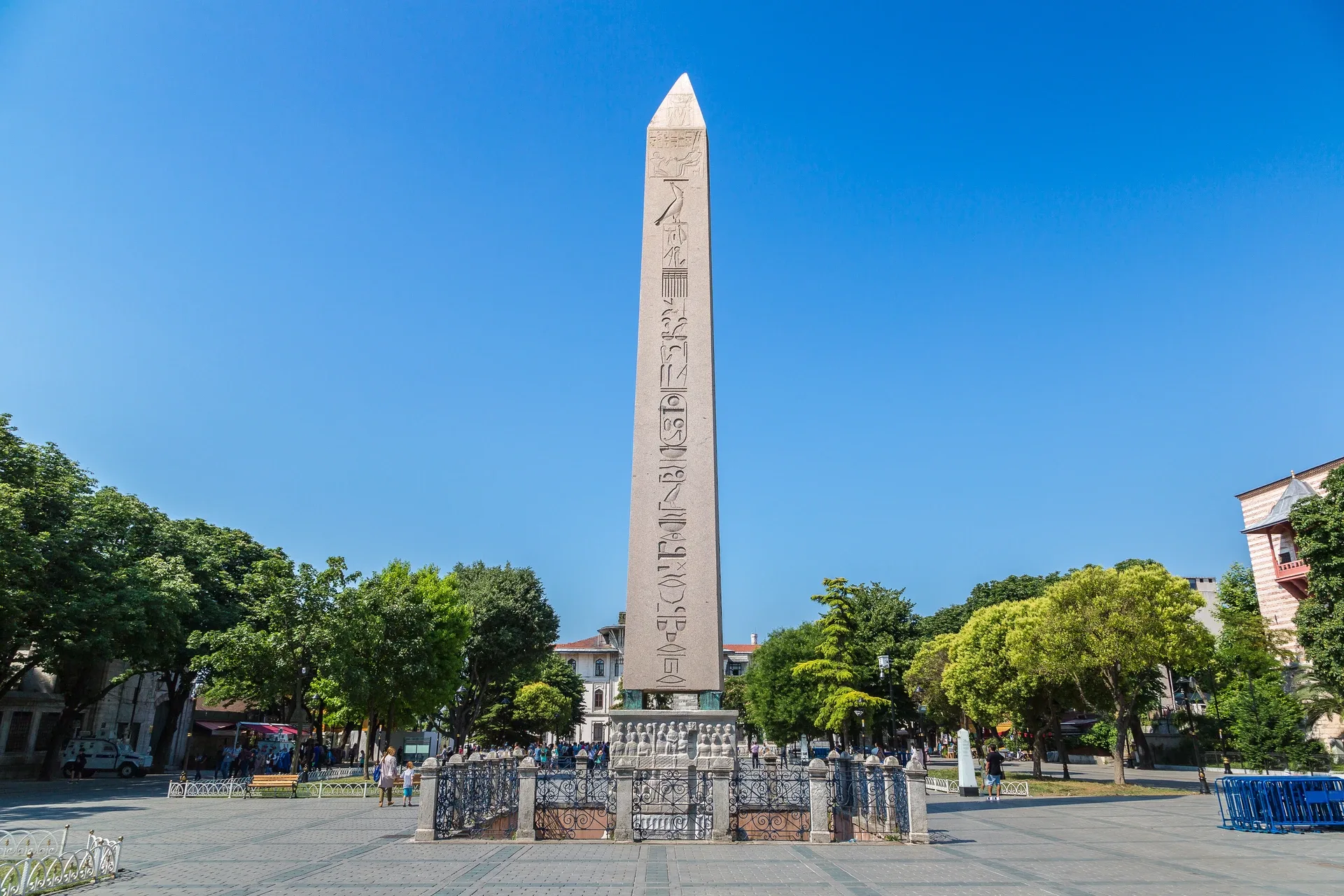
Hippodrome: An ancient Roman and Ottoman square where the chariot races were held. Within the square is some Roman remains, an Egyptian Obelisk, Serpent Column, and Constantine Columns.
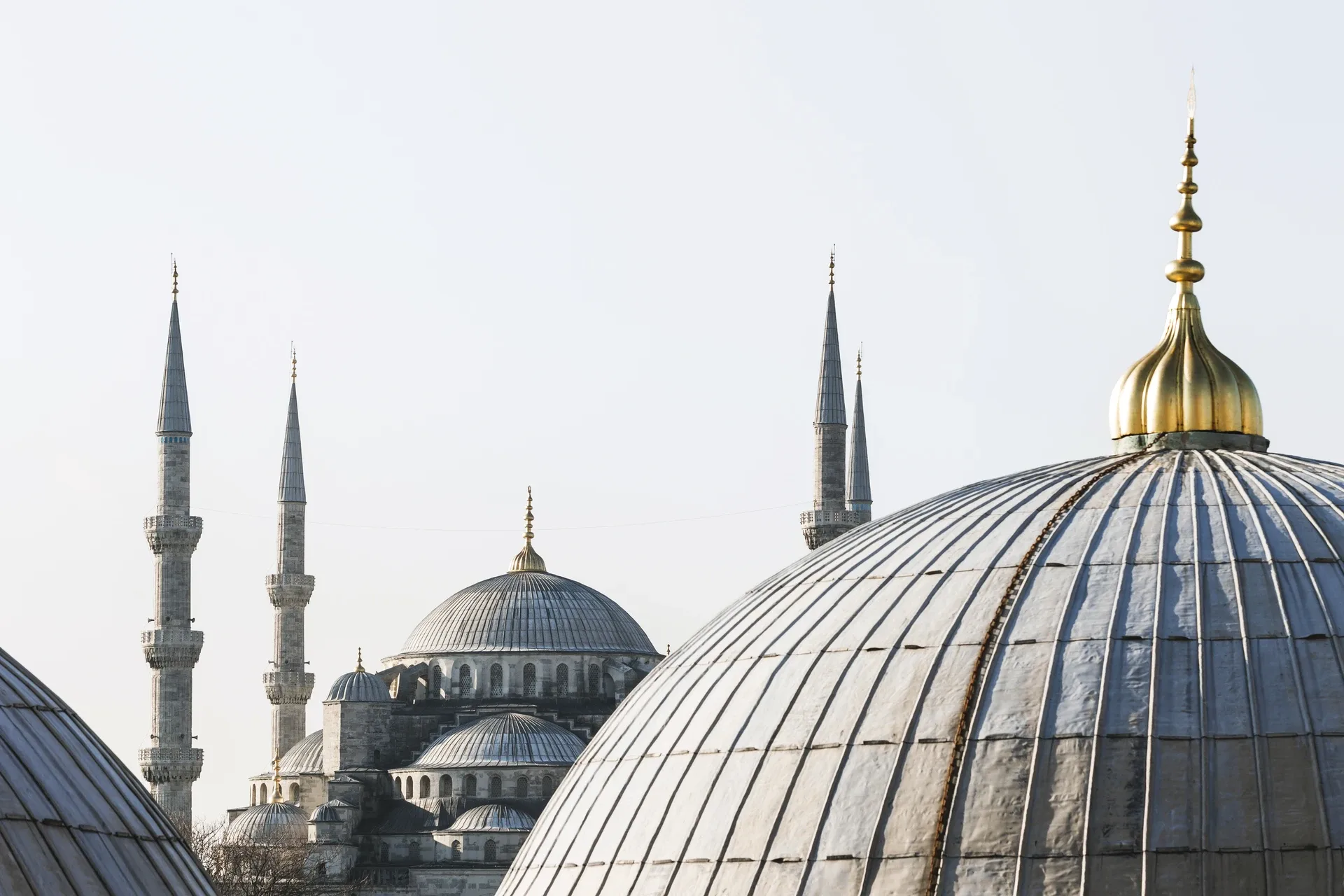
The Blue Mosque: An Ottoman Imperial mosque built by Sultan Ahmet I in 1609-1616 CE, famous for the blue Ottoman tiles.
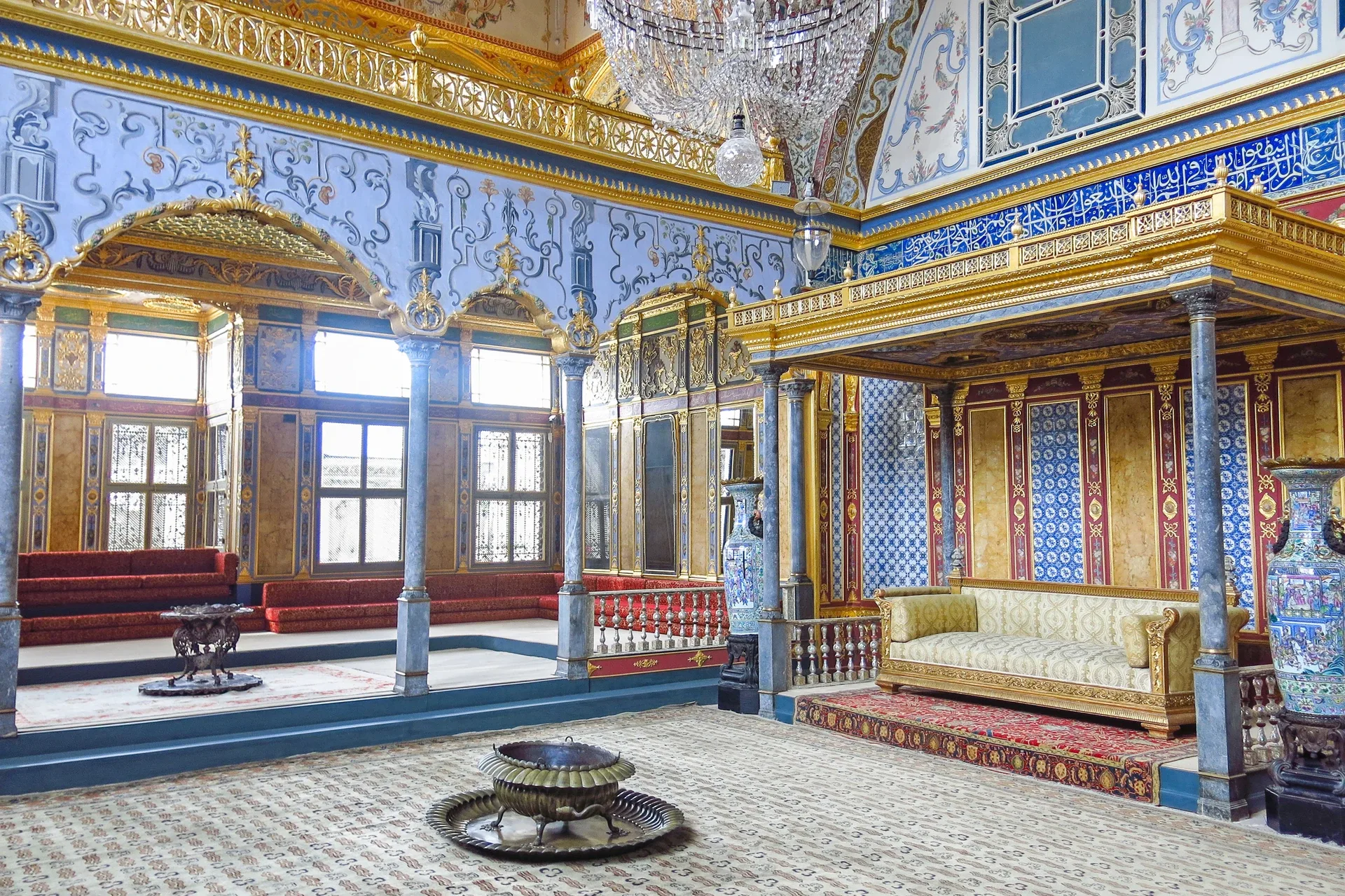
Topkapi Palace: The Ottoman Sultan Mehmed II built the palace after the conquest of Constantinople. Topkapi Palace was the home of the royal family and the headquarters for the Ottoman Empire’s administrative center.
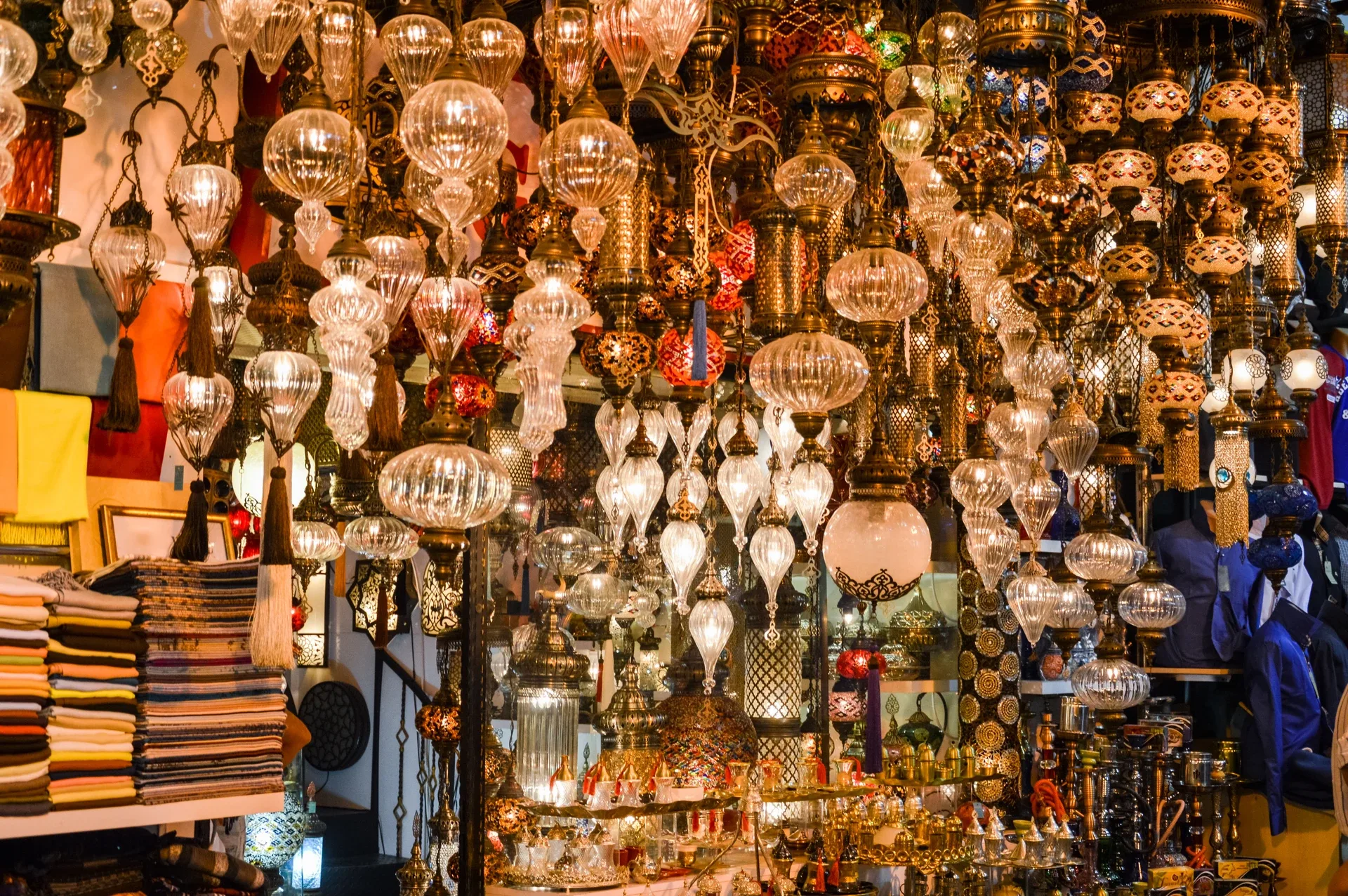
Grand Bazaar (Covered Market): The largest and oldest functioning shopping center in the world. The Ottoman Sultan Mehmed II built the Grand Bazaar in the 15th century. The market consists of 5,000 stores, 66 streets, 24 gates, and much more eye-pleasing architecture. Your guide will be more than happy to assist you in finding your masterpiece of Turkish art upon your request.
Whirling Dervish Show: A whirling dervish show is a captivating and mesmerizing performance that showcases the ancient mystical tradition of the Sufi order known as the Mevlevi Order. Originating in 13th-century Turkey, the whirling dervishes are renowned for their graceful spinning, which represents a spiritual journey toward divine unity and enlightenment.
After the Istanbul Private Old CityTour and the Whirling Dervish Show, we are driving back to the hotel. Overnight stay in Istanbul.
Private Bosphorus Cruise Tour & Turkish Bath Pick up from the hotel by your guide to start Private Bosphorus Cruise and the Old City Tour. Your private, professional tour guide will be introducing you to the Bosphorus. You are starting with 2 hours Bosphorus tour on a private boat.
Today you will be exploring the following highlightsof the Bosphorus:
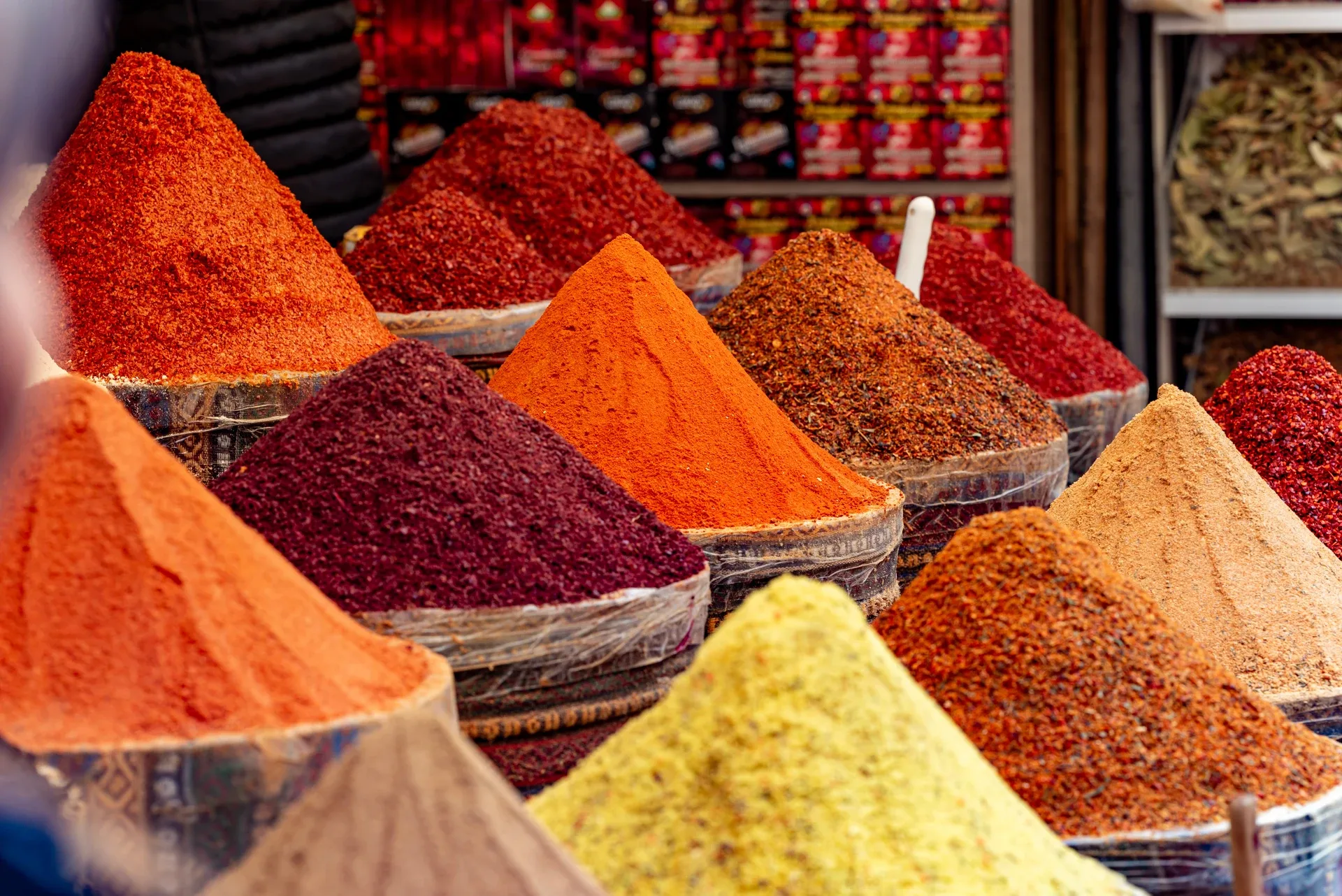
Spice Market ( Egyptian Bazaar): The Ottomans built the market in the 17th century. Unlike the Grand Bazaar, the Spice market is much smaller but full of beautiful fragrances of mixed spices, herbs, and traditional sweets. It consists of around 100 stores, 2 streets, and 5 gates.
Bosphorus Cruise with a private boat: The channel divides Istanbul into two continents and stretches about 32 km between the Black Sea and the Sea of Marmara. Along the Bosphorus, there are many settlements to see, such as great Palaces, hotels, yali (private houses), etc.
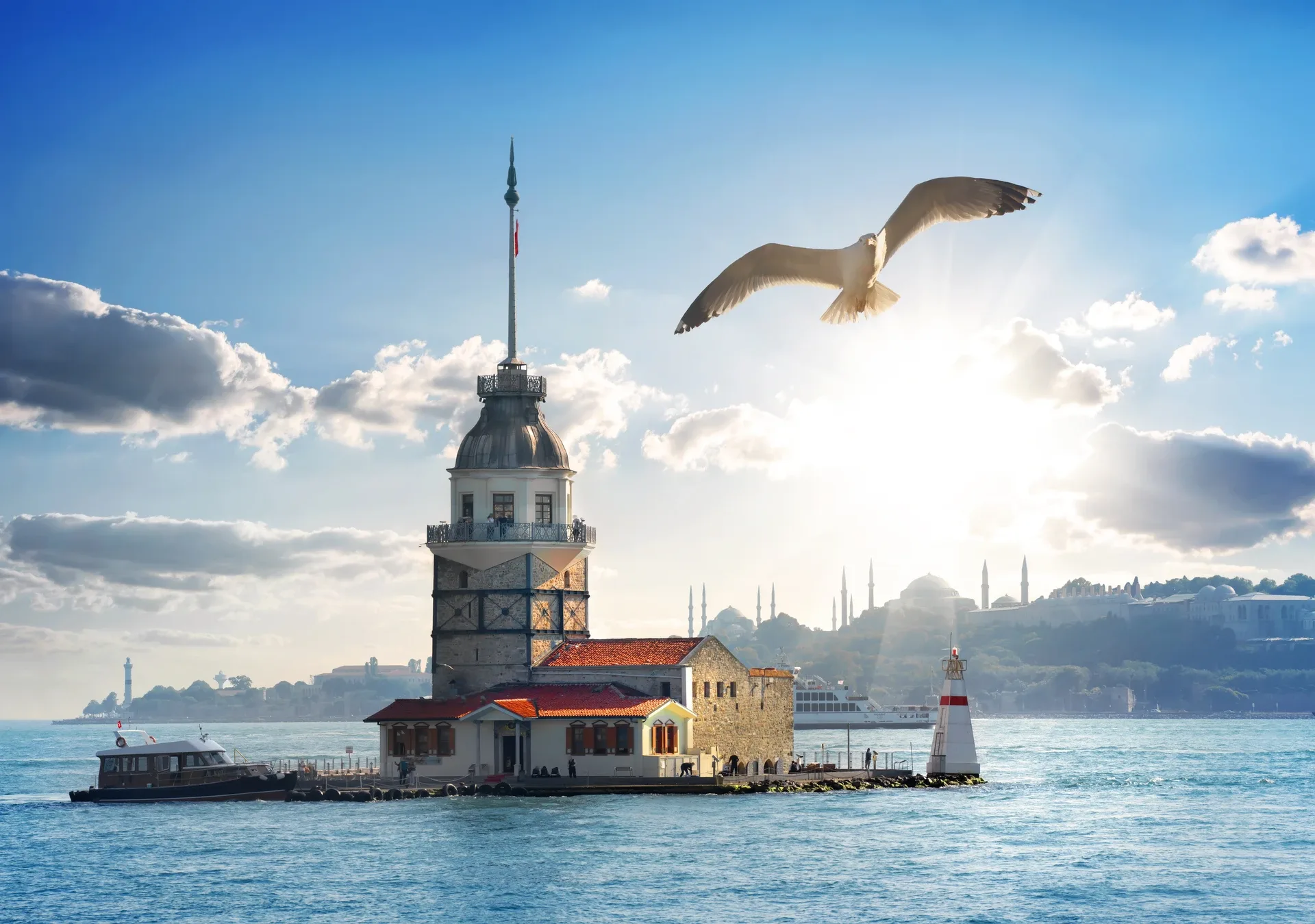
While you are on the boat, you will see the highlights of the Bosphorus including the Dolmabahçe Palace, Ortaköy Mosque, Çırağan Palace, Bosphorus Bridge, Rumeli Fortress, Küçüksu Palace, Fatih Sultan Mehmet Bridge ( the second bridge on the Bosphorus), Maiden’s Tower to name a few.
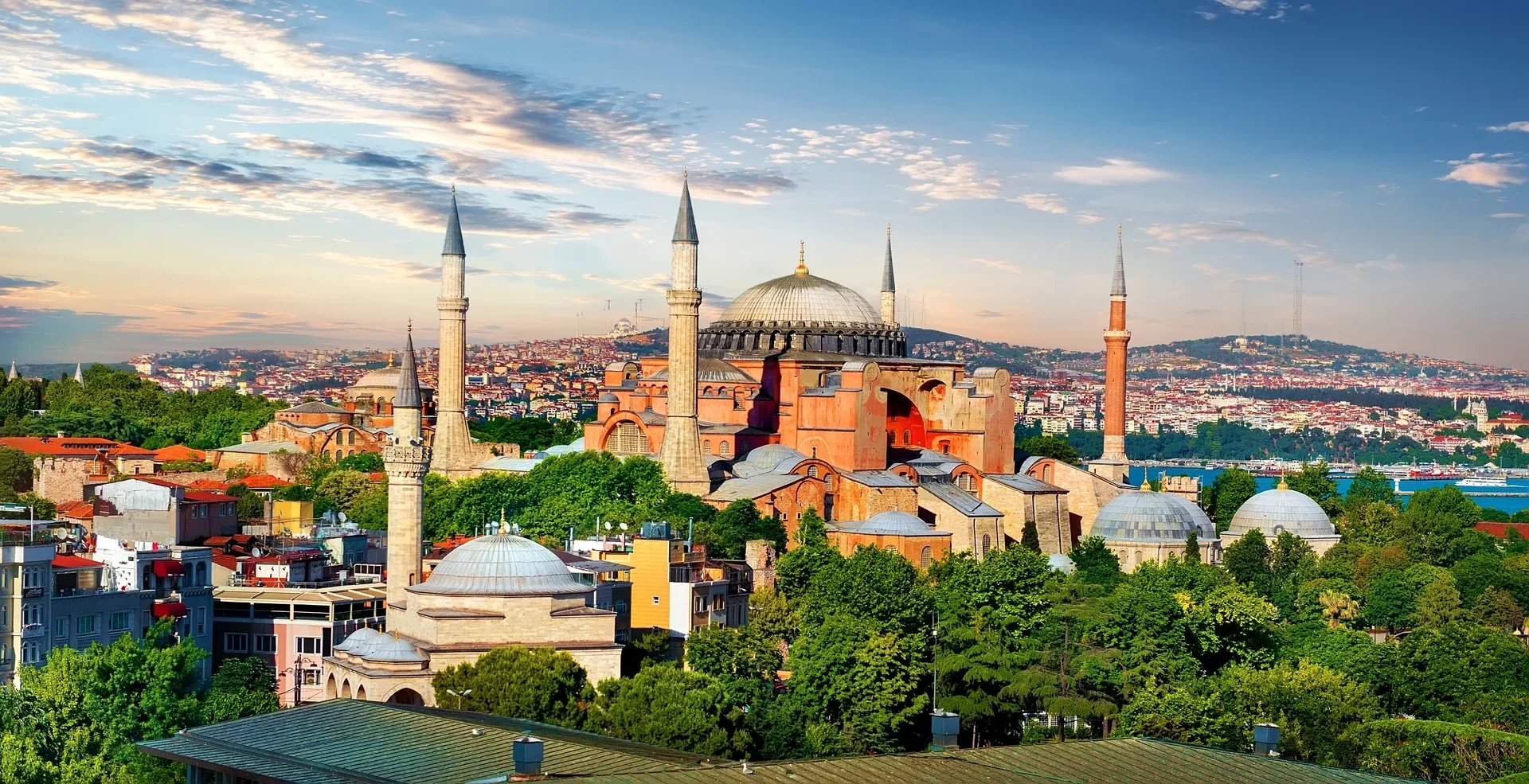
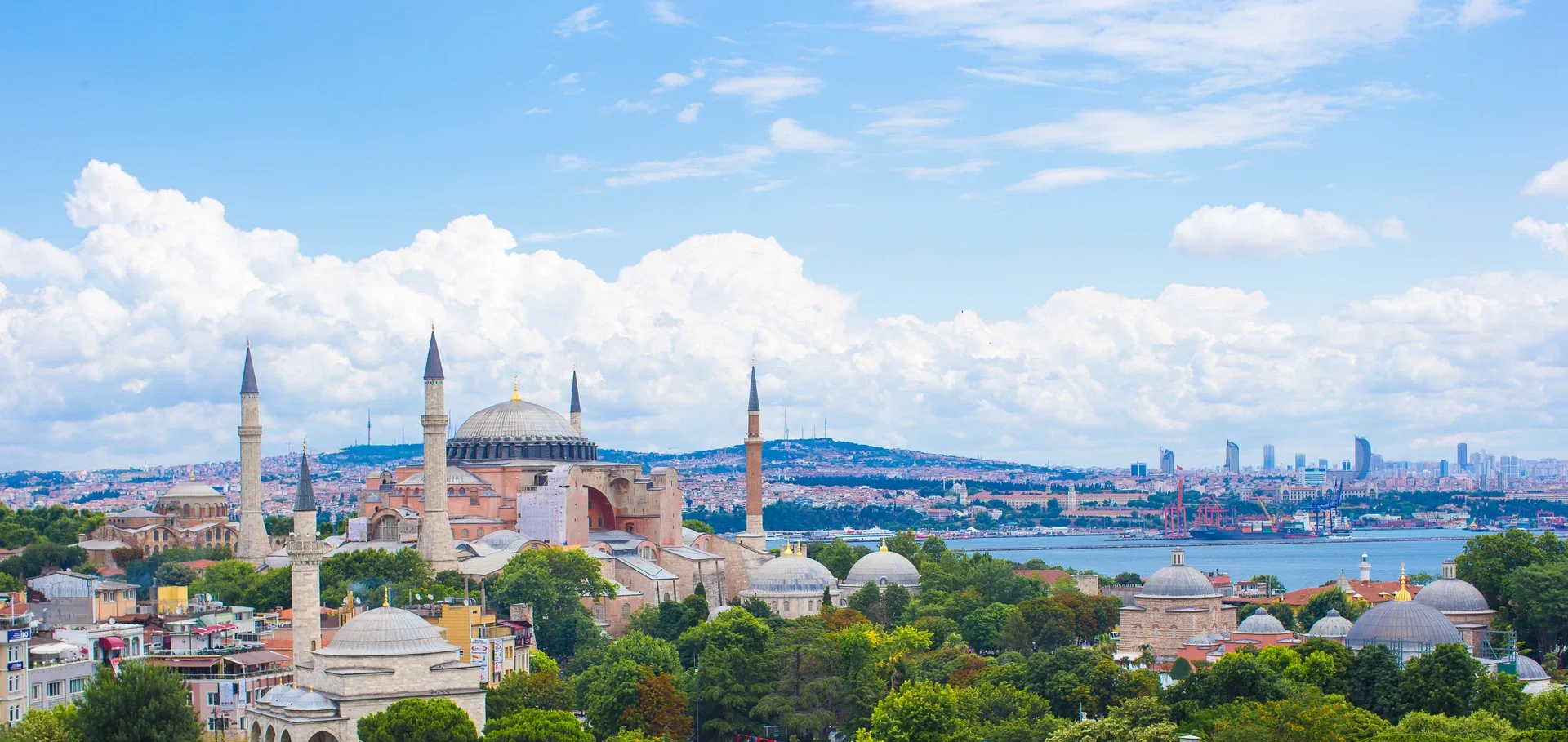
Hagia Sophia: Once the largest cathedral of Christianity when it was built in 532-537 CE by the Roman Emperor Justinian; later converted into a mosque by the Ottomans.
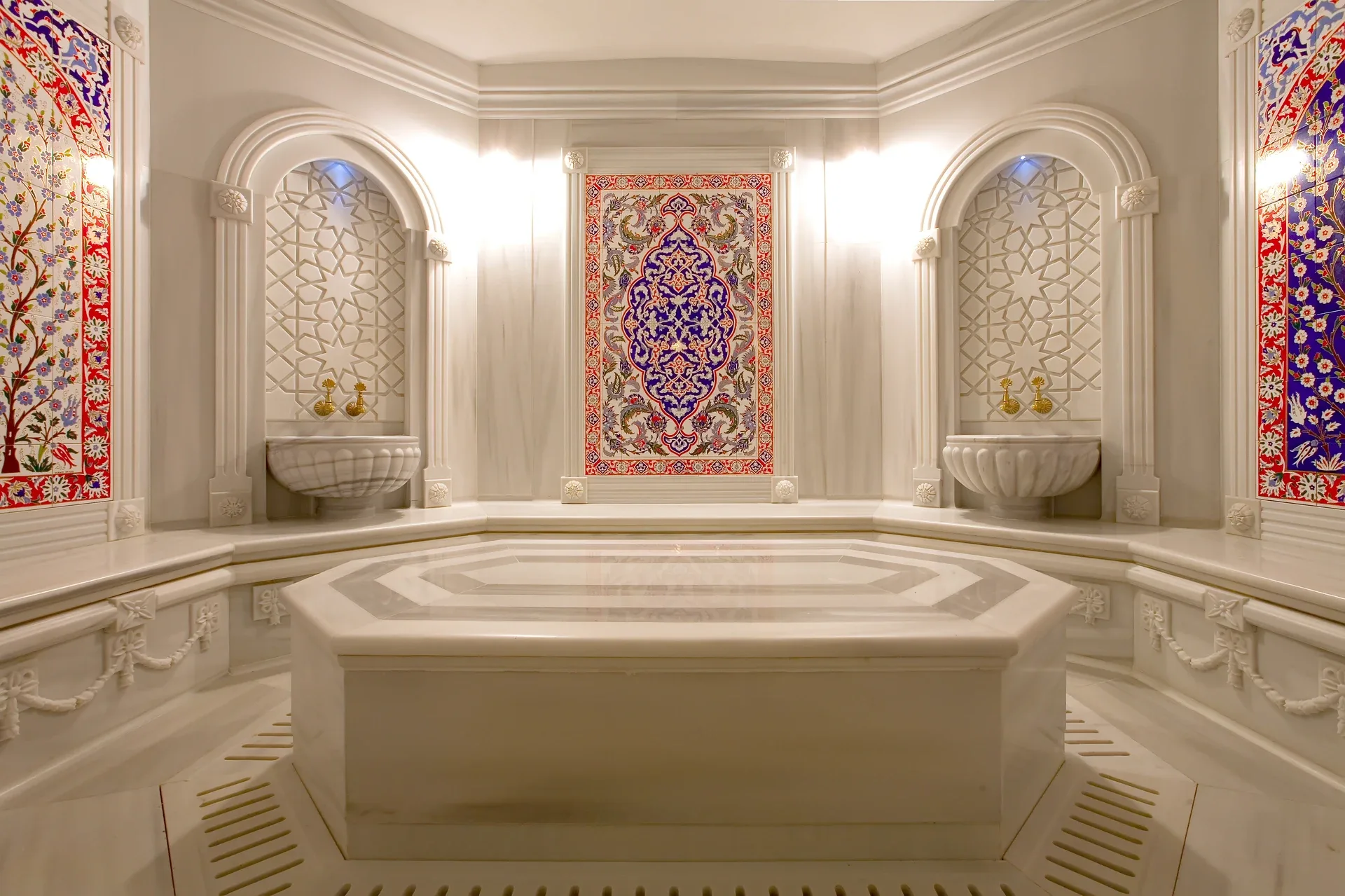
Turkish Bath: We are having the traditional Turkish Hammam after the Old City Tour with a pampering process that starts with a detoxifying Turkish bath treatment that will transport you to a place of tranquility and rebirth.
After the Bosphorus Cruise – Old City Tour and the Turkish Bath, we are driving back to the hotel. Overnight in Istanbul.
Pick up from hotel Transfer with private vehicle to the airport for domestic flight to Izmir. After landing, drive to Ephesus and start the PrivateEphesus Tour. Your private, professional tour guide will be introducing the ancient sights of Ephesus.
Today you will explore the following highlights of Ephesus Ancient City.
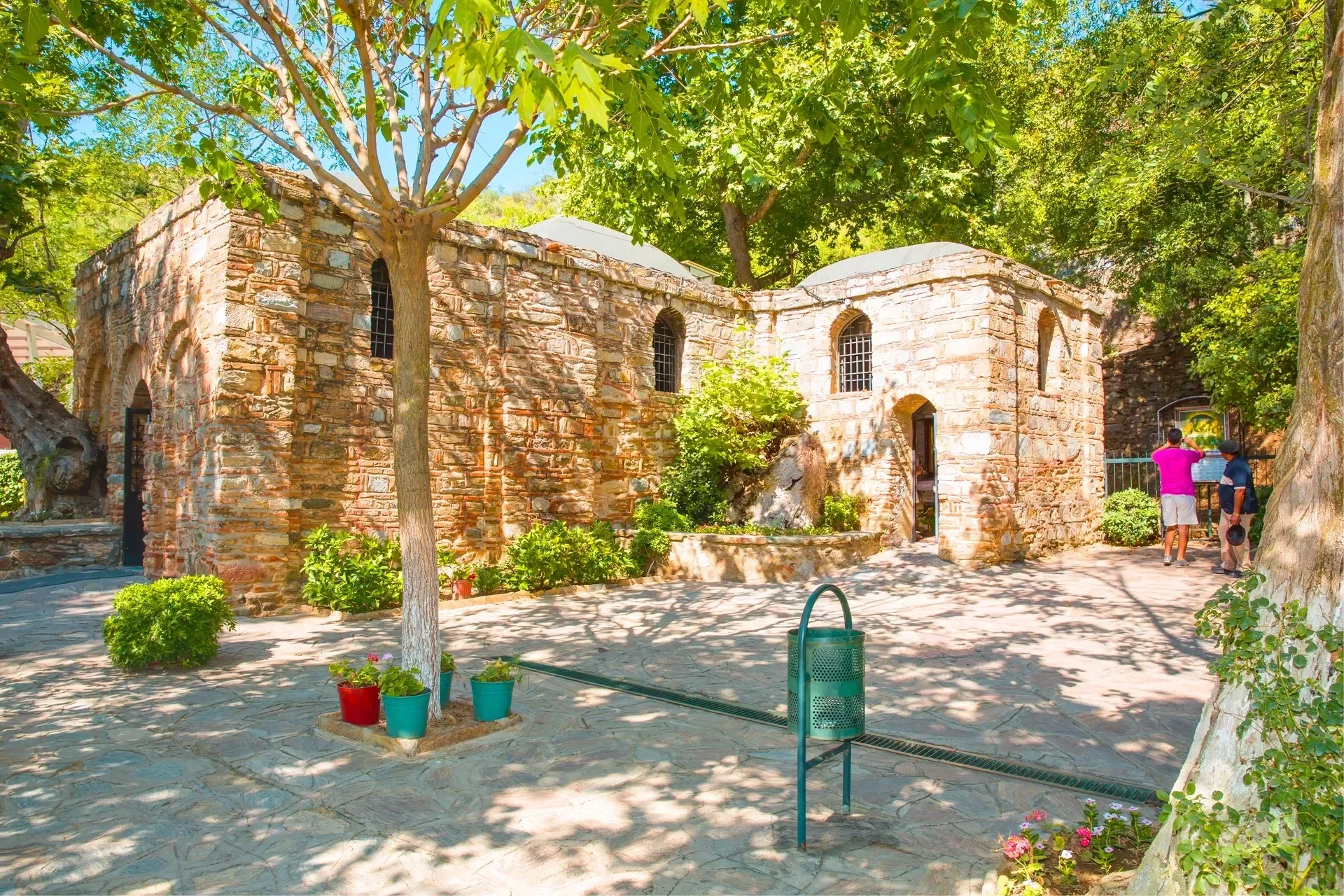
We will drive to Virgin Mary’s House, upon the dream of German nun Anna Katherina Emerich, the Lazarist priests followed the descriptions and the signs and then discovered the house in 1891 CE. According to Catholic belief, Mary was taken here by St. John, and she spent the rest of her earthly life there.
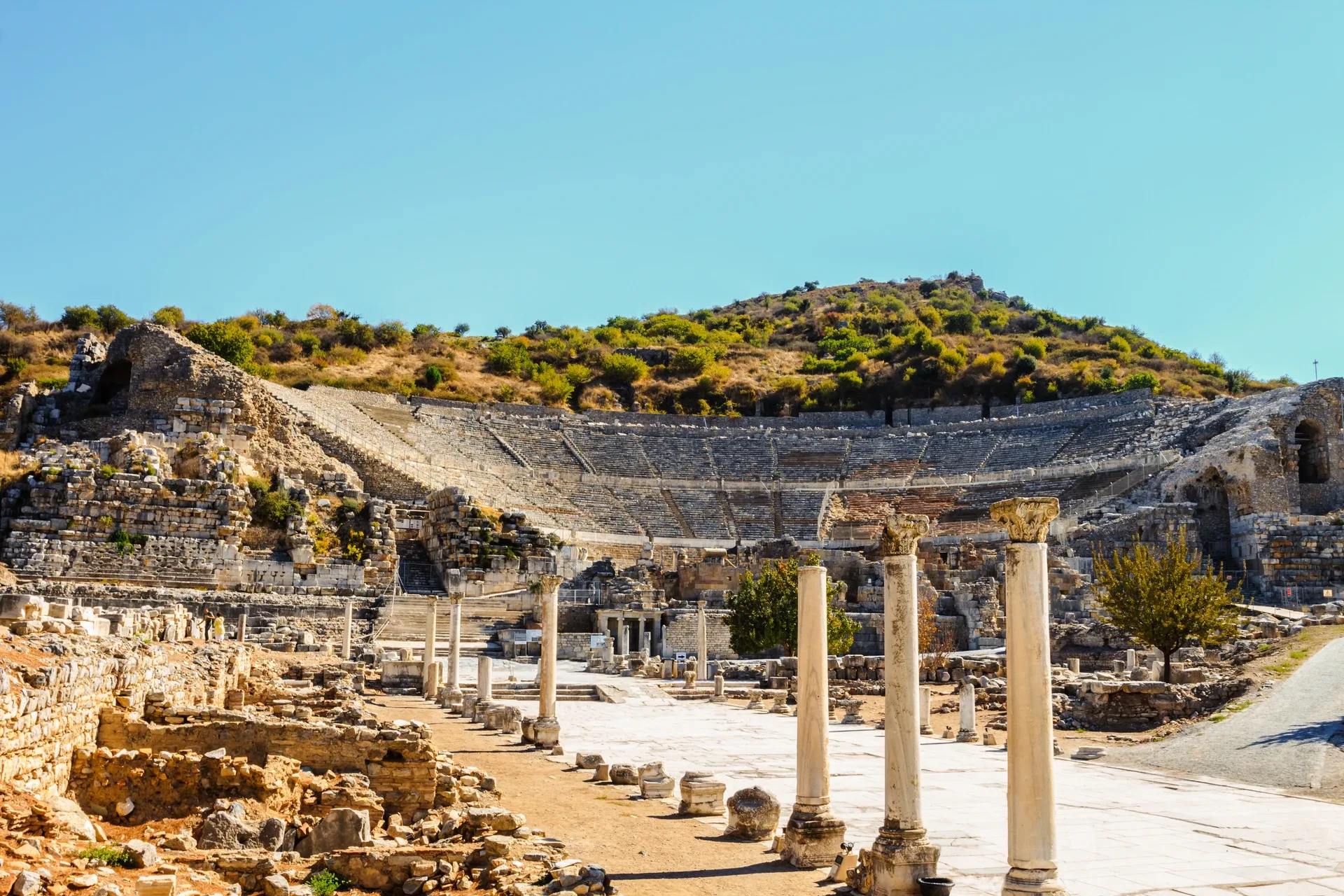
After the Virgin Mary’s House, we proceed to Ephesus Ancient City, the capital city of Asia Minor during the Roman era. According to myth, Ephesus was founded by the Greek commander Androculos around 1,000 BCE. Moreover, Alexander the Great, Lysimachus, Coressus, and Antiochus II either invaded or ruled in this city.
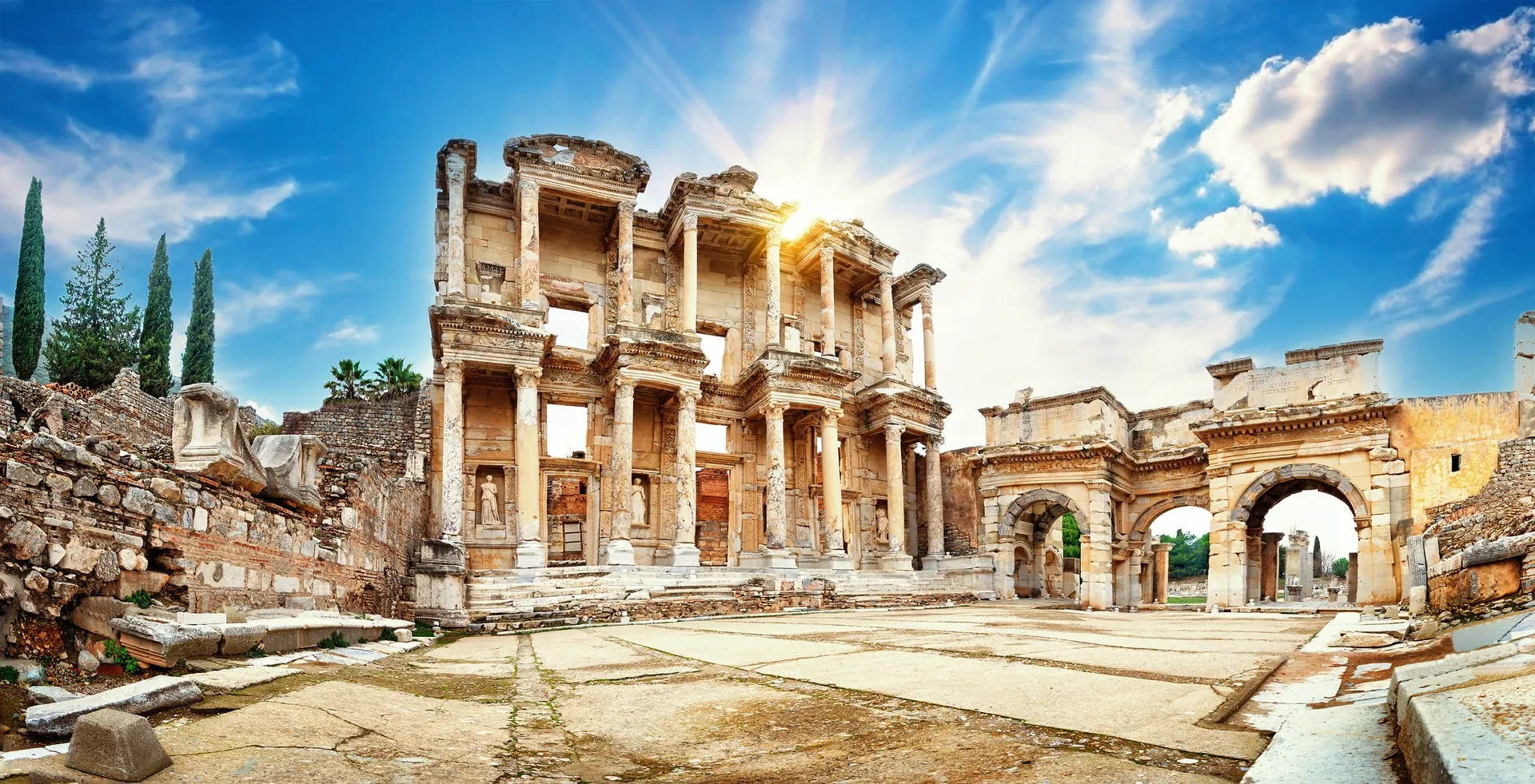
While the excavations are still going on, you will see the ancient remains such as the State Agora (a marketplace and meeting point), Odeon (Bouleuterion) concert house and council, Town Hall and Artemis Sanctuary, Domitian Square, a complex consisting of temple fountain and a bath, Curetes Street colonnaded and monumental Street in Ephesus.
The Hadrian Temple dedicated to Emperor Hadrian dates to 200 BCE, Latrines the public toilets, and Celsus Library proves to us that how Ephesians were intellectual and date back to 200 BCE with the library having had 12,000 scrolls, Forum a commercial center located by the port and finally The Great Theater the largest ancient theater with 25,000 capacity.
After Ephesus ancient city, we drive to lunch at a local restaurant, and thereafter the next stop is Isa Bey Mosque, built-in 1375 by the Anatolian Seljuks. Unlike Modern Ottoman architecture, it has a geometrical architecture roof and two minarets.
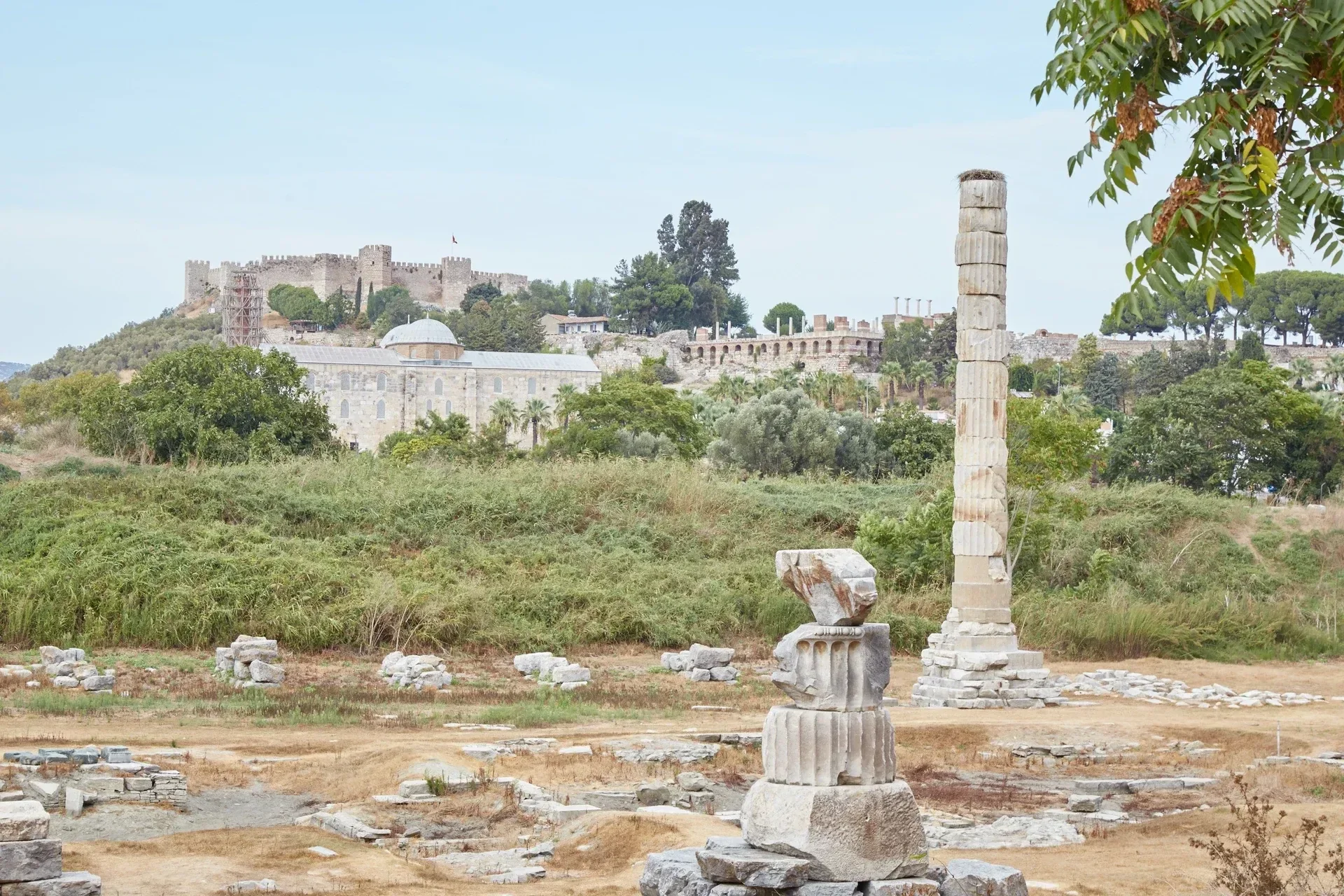
The mosque is still functioning today for the five-time prayers. After Isa Bey Mosque, we drive to the Temple of Artemis, one of the seven ancient wonders of the World.
After Isa Bey Mosque, we drive to the Temple of Artemis, one of the seven ancient wonders of the World. After the Private Ephesus sightseeing tour, drive to the hotel.
7/24 support by a licensed local tour operator. ‘Luxury Turkey Tour Package‘ is operated by a local and licensed tour operator that you directly book your service via a local tour operator. There is no middleman, no commissioner, or 3rd party travel agency.
Please Note: Hotels are subject to availability and may change.
16 questions · Thoughtful answers. Select a question to explore the details.
01What is the Luxury Istanbul and Ephesus Tour?+
The Luxury Istanbul and Ephesus Tour is a comprehensive, high-end tour that takes visitors to two of Turkey’s most famous cities: Istanbul and Ephesus. This tour offers travelers the opportunity to explore the rich cultural and historical heritage of Turkey with visits to iconic landmarks, world-renowned museums, and other fascinating attractions.
02What are some of the highlights of the tour?+
The Luxury Istanbul and Ephesus Tour feature a wide range of highlights, including visits to the Hagia Sophia, Blue Mosque, Topkapi Palace, and Grand Bazaar in Istanbul, and the Library of Celsus, Temple of Hadrian, and Great Theatre in Ephesus. Other notable attractions include the House of the Virgin Mary, the Basilica Cistern, and the Spice Bazaar in Istanbul.
03What is included in the tour package?+
The tour package includes a range of amenities and services, such as luxury accommodations in both Istanbul and Ephesus, private transportation, expert tour guides, entrance fees to all attractions, and daily breakfast. Some packages may also include additional meals, airport transfers, and other special services.
04How long is the tour?+
The Luxury Istanbul and Ephesus Tour typically last between 7 and 10 days, depending on the specific package selected.
05Is the tour suitable for families with children?+
Yes, the tour is suitable for families with children. However, please note that some of the attractions and historical sites may not be suitable for very young children. It is always a good idea to check with us to ensure that the tour is appropriate for your family’s needs.
06Is the tour wheelchair accessible?+
The tour can be made wheelchair accessible if you ask, but some historical sites and attractions may not be fully accessible.
Words from our guests
Journeys remembered.
48 guest reviews
★★★★★
This was hands down the most luxurious and well-organized tour we’ve ever taken. From the moment we arrived at Istanbul Airport, the Romos Travel team made us feel like VIPs. The accommodations were exceptional—especially the Orientbank Hotel in Istanbul, which felt like a palace. Our private guide was not only knowledgeable but also incredibly personable, making the history of Istanbul and Ephesus come alive.
The private Bosphorus cruise was magical, and the Turkish Bath experience was unlike anything we’ve ever done. The highlight for us was walking through the ancient city of Ephesus—it’s like stepping back in time. We also appreciated the seamless logistics; every detail was taken care of, so we could just relax and enjoy. Worth every penny!
Sarah and Mark J., New York, USA2024-07-11★★★★★
Romos Travel exceeded our expectations with this tour. The itinerary was thoughtfully designed to showcase the best of Istanbul and Ephesus. We loved the attention to detail—from being greeted at the airport to having a private vehicle and guide throughout the trip.
The private yacht for the Bosphorus cruise was a highlight, offering breathtaking views of Istanbul’s skyline. The Whirling Dervish Show was mesmerizing, and the Turkish Bath left us completely rejuvenated. Our guide’s passion for history truly made Ephesus an unforgettable experience.
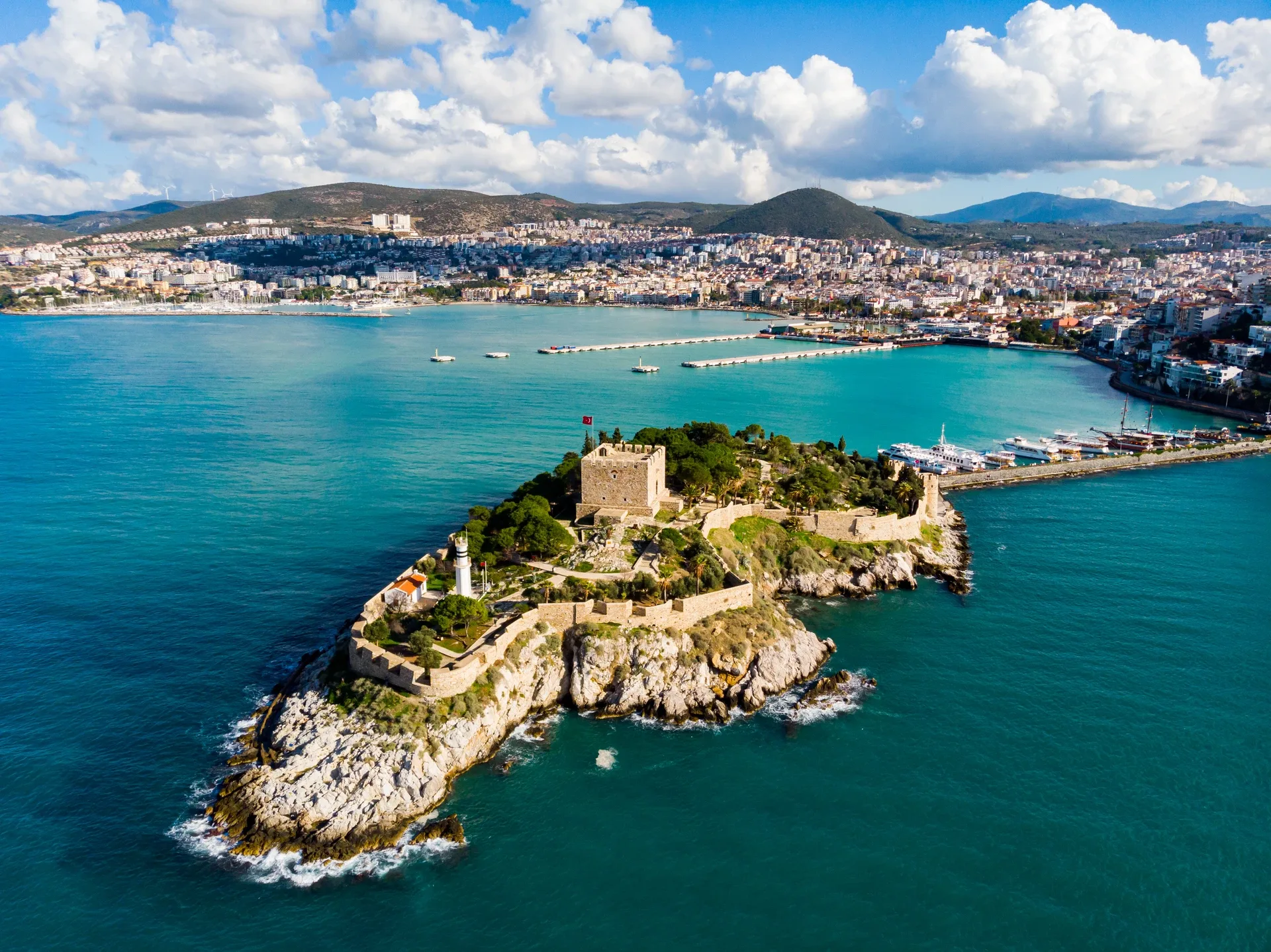
We stayed at the Charisma De Luxe Hotel in Kusadasi, and the panoramic sea views were simply stunning. We’ve traveled extensively, but this tour stands out for its impeccable service and luxurious touches.
James L., Sydney, Australia2024-06-06★★★★★
If you’re looking for a luxury tour in Turkey, look no further! This was our first visit to Turkey, and Romos Travel made it an extraordinary experience. The itinerary was rich with cultural and historical highlights, yet we never felt rushed.
Our private guide was fantastic—professional, engaging, and a treasure trove of information. The Grand Bazaar and Spice Market were a feast for the senses, and the Virgin Mary’s House in Ephesus was deeply moving. Every transfer was on time, and the vehicles were spotless and comfortable.
The deluxe accommodations were fabulous, particularly the Hotel Monalisa in Kusadasi, which had the most serene atmosphere. We loved the personalized touch throughout the trip. Highly recommend this tour!
Emily R., Toronto, Canada2024-09-03★★★★★
This tour was everything we hoped for and more. The combination of luxury and cultural immersion was impeccable. Staying at the Autograph Collection hotel in Istanbul was a treat—beautiful design and incredible service.
The private Bosphorus cruise and the visit to Hagia Sophia were unforgettable. The Turkish Bath was a once-in-a-lifetime experience that left us feeling pampered. The highlight of the trip was exploring Ephesus with our knowledgeable guide. The Library of Celsus and the Great Theater were awe-inspiring.
We also appreciated the seamless logistics and attention to detail. Every meal, transfer, and tour was perfectly planned. We felt safe, relaxed, and well-cared for the entire time. Can’t wait to book our next adventure with Romos Travel!
Anna and Tom K., London, UK2024-06-22★★★★★
This tour was an absolute dream. My husband and I booked the luxury package, and it was worth every dollar. From the VIP airport transfer to the private tours, every detail was meticulously planned.
The Whirling Dervish Show was hypnotic, and the Bosphorus cruise was incredibly romantic. Walking through the ancient ruins of Ephesus was surreal, and we were amazed by the rich history of Istanbul. The Turkish Bath experience was the cherry on top—it was so relaxing!
Special thanks to our guide, who was not only knowledgeable but also so accommodating and friendly. The hotels were top-notch, with fantastic service and amenities. We left Turkey with unforgettable memories and are already planning our return!
Rachel S., Los Angeles, USA2024-08-19★★★★★
Romos Travel crafted an extraordinary journey for us. Every moment of the tour was filled with wonder and luxury. The private yacht on the Bosphorus and the boutique hotel in Istanbul made us feel like royalty.
The ancient city of Ephesus was a true marvel, and the Temple of Artemis left us speechless. The logistics were flawless—transfers, flights, and tours were perfectly timed. The Turkish Bath experience added a unique cultural twist, and our guide’s storytelling made history come alive.
This tour was a perfect blend of luxury, culture, and relaxation. Highly recommend it to anyone wanting an unforgettable experience in Turkey.
Claire B., Singapore2024-07-24
Private Istanbul and Ephesus Itinerary
Private Istanbul and Ephesus Itinerary
How to combine private Istanbul sightseeing with Ephesus
This private Istanbul and Ephesus tour combines a city stay with an archaeological visit on the Aegean. Use the Istanbul portion to follow the places that interest you most, then give Ephesus enough time to understand the scale and layout of the ancient city.
Part of the appeal of combining Istanbul and Ephesus is the difference between interpreting a building still embedded in a city and understanding a whole ancient street from what remains. Use the Istanbul portion to follow relationships among the palace, religious buildings and busy public spaces. Let the visit to Ephesus start with the shape of the site before choosing the monuments where you want the most detail.
Read this experience as a series of choices about time, place and the people you are travelling with. Write down what made you open this page before you start comparing it with other options. If there are several people in the group, ask each person for one thing they would be disappointed to miss. That small exercise makes it easier to see which experiences are central to the trip and which would be pleasant if the timing works.
Then decide whether the experience should be the focus of a day or part of a longer plan. Compare from the first pickup to the last drop-off. Look at the time you can actually spend at the places that matter, allowing for the intervals in between. A long programme on paper can still leave very short visits if transfer time, a meeting point or a return deadline has been left out of the comparison.
Consider how many complete days each region gets after travel days are taken out. Look for a clear reason to spend the night in a place and make sure the move to the next one leaves enough attention for your main experience.
Allocating your Istanbul days
Decide early how much time the group wants among the monuments near Sultanahmet. A concentrated schedule leaves more attention for the historical contrast once you reach Ephesus.
Draw the approach as three steps: where you start, where you actually meet, and where the planned activity begins. These can be different even if the hotel or a transport hub is mentioned on the itinerary. Save the confirmed meeting address and a written description of the entrance. If the party is coming from different rooms, hotels or terminals, decide where everyone rejoins before anybody sets out on their own.
Separate the time you need to be present from the time a vehicle, guide or venue expects to start. That distinction is useful on arrival days and when the first planned stop has a fixed window. Carry the written confirmation somewhere you can open it offline. Check how to contact the organiser if the first arrangement changes after you have left, and agree who in the group will make that call.
Do a short rehearsal on the map without relying on the map’s estimated driving time alone. Think about the final approach, building entrances, stairs and luggage, then include the time needed to gather the group at the start. If one person is likely to need more time, plan to meet the party together at the point that works for them. A practical start makes the following itinerary easier to keep flexible.
Private interpretation by region
Ask one guide to explain the relationship between monuments and urban life in Istanbul, and use the Ephesus visit to consider how public and private spaces worked in an ancient city.
Choose two things that deserve a close look and decide what an overview would be enough for. Let the first have room for questions, interruptions and a change of perspective. At the second, pay attention to a detail you might miss if you were moving quickly. That could be the relationship between two buildings, the way the waterfront meets a neighbourhood, or how a venue uses its space. The purpose of choosing is to give those details time.
Ask which parts need advance arrangements and which are easier to interpret or experience once you are there. For an interior, consider the time needed to get in, orient yourself and spend a few minutes without feeling rushed. Where the experience mainly happens outside, ask how the proposed position, light, season or weather could change your view. Those are better ways to compare proposals than counting the number of stops listed.
Give the team a practical example of your interest. An interest in history could mean the layout of an ancient city, the way a particular palace was used, or a wish to understand an active cultural tradition. A wish for comfort could mean a particular seat, a less hurried route or space for a conversation. Examples make a brief actionable and invite the organiser to suggest something specific to this experience.
Set the pace for a guided visit to Ephesus
On a guided Ephesus visit, consider how long your group wants to spend on sloped stone streets and where a shorter route would still give you a good sense of the site. Tell the guide if you are more interested in public buildings, street life or how the city was laid out.
Some travellers primarily want time to look at ruins, while others would enjoy a shorter visit with a pause around Selçuk or Kuşadası. Tell the team which of those sounds like your group. The answer affects how the archaeological visit sits beside the transfer and whether there is a real reason to plan a separate break nearby.
Describe access in terms of what someone is comfortable doing for a sustained period. Include stairs, uneven ground, boarding, standing and the distance between useful places to stop where applicable. People with the same broad requirement can have very different preferences. One traveller may be comfortable walking slowly but prefer to avoid steep steps; another may want a short standing period with a reliable place to sit afterwards.
Ask whether the plan can be adjusted without losing its main purpose. A shorter route can work well if it still includes the setting or explanation you wanted. If the group may split for one part, agree where to meet again and how long each part should take. Share which requirements are essential and which are preferences so the organiser can check them against the actual vehicle, venue or proposed route.
Consider comfort across the entire outing. A long interval without a chance to pause can matter more than the length of a single walk. Discuss shade, seating and a convenient break before confirming a busy stretch. If a person uses an aid or needs help getting in and out of a vehicle or venue, ask for the specific approach and space that will be available rather than relying on a general accessibility label.
Connecting Istanbul to the Aegean
Confirm the connection and door-to-door transfer timing before adding a specific lunch or a secondary attraction. Check where the itinerary leaves you for the last evening.
Mark the parts of the plan that depend on an outside decision, such as the order of timed visits, operating conditions or a transport connection. Keep them separate from changes your own group could make. This shows whether an alternative would require changing a booking or simply making a different choice while you travel. It also makes it easier for the organiser to explain what they can confirm for your date.
Build in one realistic alternative and discuss when you would choose it. Identify what would cause you to switch, who has the final information and which other parts of the day would be affected. A nearby break, a shorter visit or a change of sequence may keep the day worthwhile. An alternative works best when it serves the same interest and does not add a new fixed deadline.
Use local time when comparing the sequence in a written itinerary. If a piece of the journey is uncertain, leave the commitments around it movable until the important details are confirmed. For a fixed onward booking, tell the organiser the time by which you personally want to be there. That is more useful than giving just the departure time, because it includes the margin your group is expecting.
For a journey with several overnight stays, note which dates the changes would affect. A move may touch guides, rooms and connections in more than one region even if the change itself only takes a few hours.
Kuşadası or time around the site
Choose an overnight arrangement, where the programme calls for it, by checking how it suits both the archaeological day and the onward transfer. A waterfront location and immediate archaeological access are different priorities.
Think about what you want from the time around the planned experience. You might want to be close to a particular neighbourhood after it finishes, travel directly to a hotel, or have time for a meal or a quiet pause. That preference can affect the route even when it is not an activity in its own right. Identify how each member of the group will use the time that is left free.
Where there is a choice of base or end point, compare the actual approach as well as how a place looks in a description. Consider the length of the next transfer, the final walk, and whether you can change your mind about a meal or short outing without rearranging a vehicle. Ask the team to mark the difference between time reserved in the itinerary and time you will arrange independently.
Leave one natural break in the right place rather than expecting several quick stops to make the plan feel restful. Timing a pause near a useful transition can improve the whole day. If you have a restaurant, room or evening arrangement in mind, state whether it is a firm commitment or a preference. That allows the organiser to take it into account without treating it as another confirmed inclusion.
For a multi-day journey, a hotel is also a starting point for the following day. Ask how the suggested base works for the next pickup, particularly if you have an early flight or a timed first stop.
Choose an Aegean stay or a same-day return
This route makes an Aegean stop within a longer trip. If your hotel plans are fixed in Istanbul and you only have one day free, look at the Ephesus day tour from Istanbul and compare useful site time after the connections.
The combined route differs from the same-day Ephesus visit because the historic site is part of an Aegean chapter. Ask for the actual sequence of flights or drives before agreeing to a particular site start. Plan the rest of the day from the confirmed starting point rather than from an estimated time in another version of the programme.
Compare the alternatives by asking what you would gain and what you would spend time on. For each option, write down one reason you would choose it, one element you would have to give up, and one thing you would want the team to verify. Do the comparison with your actual dates and group in mind. A longer or more elaborate arrangement is worthwhile only if the extra time solves a real priority for you.
Keep one flexible element in the plan that does not affect everyone’s bookings. If the group decides to linger, pause or reorder the day, that element can move without losing the central experience. Ask which parts can be changed after confirmation and which might have change terms. This matters particularly if you are coordinating a separate guide, vehicle, ticket or onward arrangement for the same day.
What to ask before you commit
Confirm the timing of the journey, separately identify admission and any optional areas, and check the departure airport against the final transfer.
Put the facts that determine the quotation at the start of your message. Give dates, group size, your starting location and the commitments that cannot move. Follow with what you want to prioritise, where you are flexible and the access or comfort requirements the organiser needs to consider. If your dates are uncertain, explain which range is possible. Keep the brief short enough that the team can see what matters without searching for it.
Read the reply as a proposed sequence and a list of responsibilities. Check where each arrangement begins and ends, who is providing it, what appears in the quoted price and what would be settled separately. Make sure changes to the programme or the experience are easy to distinguish from optional requests. Where cancellation or a change in conditions is possible, ask how the confirmed booking terms would apply to your particular arrangement.
Before committing, check the dates and names against the rest of your trip. Ask the organiser to confirm any assumptions you had to make while reading the programme, and keep the written reply with your travel details. Once the important parts are clear, mark which choices you would prefer to make during the experience. That final distinction is what lets the plan feel considered without taking away the freedom to use your time well.

 01Airport welcome
 02Visit
 03Hotel